


Becoming a parent is one of the most transformative experiences in life. At the same time, it can feel overwhelming. From newborn sleep schedules to safe feeding practices, from diaper changes to emotional bonding, baby care requires knowledge, patience, and confidence.
If you’ve ever searched for baby care tips at 2 a.m., wondering whether you’re doing things right, you’re not alone. This ultimate guide was created to help parents build a strong foundation in infant care while maintaining safety, emotional connection, and peace of mind.
Throughout this article, you’ll find practical advice aligned with pediatric recommendations, structured routines, and gentle parenting principles — all designed to support your baby’s healthy development and your confidence as a parent.
If you’re just starting out, you may also find helpful information in our Newborn Basics section on momknowsever.com, which complements this guide.
Understanding Your Baby’s Basic Needs
Before diving into routines and strategies, it’s essential to understand what babies truly need in their first year of life.
A baby’s core needs include:
- Safe sleep
- Proper nutrition
- Hygiene
- Emotional bonding
- Developmental stimulation
- Physical safety
When these areas are supported consistently, infants thrive physically and emotionally.
Babies do not need perfection. They need consistency, warmth, and attentive care.
Safe Sleep Practices for Infants
One of the most searched topics in baby care is infant sleep safety. And for good reason. Safe sleep practices significantly reduce the risk of sleep-related incidents.
Here are the essential principles:
Always Place Baby on Their Back
The safest sleep position for infants is on their back, on a firm mattress, with no loose bedding.
Keep the Crib Clear
Avoid:
- Pillows
- Blankets
- Stuffed animals
- Crib bumpers
A fitted sheet on a firm mattress is enough.
For a more detailed breakdown, visit our safe sleep guide on momknowsever.com, where we explain room-sharing, sleep regressions, and sleep environment setup.
Maintain a Comfortable Room Temperature
Overheating can increase risks. Dress your baby in light sleepwear appropriate for the season.
Establish a Gentle Bedtime Routine
Even newborns benefit from predictable cues:
- Dim lighting
- Soft voice
- Feeding
- Gentle rocking
- Quiet environment
Consistency builds security.
Feeding Your Baby: Breastfeeding, Formula, and Beyond
Feeding is one of the most personal decisions in motherhood. Whether you choose breastfeeding, formula feeding, or a combination, what matters most is that your baby is nourished and growing well.
Breastfeeding Basics
Breastfeeding provides antibodies and promotes bonding. Tips for success:
- Ensure proper latch
- Feed on demand
- Stay hydrated
- Seek lactation support if needed
It’s normal for breastfeeding to require practice.
Formula Feeding Essentials
If you use formula:
- Follow preparation instructions carefully
- Sterilize bottles regularly
- Hold baby during feeding
- Avoid propping bottles
Feeding time is bonding time — regardless of method.
Introducing Solid Foods
Around 6 months (based on developmental readiness), babies may begin solids.
Signs of readiness:
- Sitting with support
- Good head control
- Interest in food
- Reduced tongue-thrust reflex
Start with:
- Iron-fortified cereals
- Pureed vegetables
- Mashed fruits
Always introduce one new food at a time and observe for reactions.
You can explore feeding routines and meal transitions in our baby feeding resources on momknowsever.com.
Hygiene and Daily Baby Care Routine
Daily hygiene plays a major role in infant health.
Diaper Changing Tips
Change diapers frequently to prevent diaper rash.
Steps:
- Clean gently from front to back.
- Allow the skin to dry.
- Apply protective cream if needed.
- Use breathable diapers.
If diaper rash occurs, allow some diaper-free time during the day.
Bathing Your Baby


Newborns don’t need daily baths. Two to three times per week is sufficient unless needed.
Tips:
- Use lukewarm water
- Support baby’s head and neck
- Keep supplies within reach
- Never leave baby unattended
Bath time can become a soothing evening ritual.
Nail and Skin Care
Trim nails carefully using baby clippers.
Use fragrance-free moisturizers for dry skin.
Avoid adult skincare products.
Infant skin is delicate and absorbs substances easily.
Emotional Bonding and Attachment
One of the most important elements of baby care is emotional connection.
Secure attachment builds the foundation for:
- Emotional regulation
- Social skills
- Confidence
- Future relationships
Responding to Cries
Contrary to outdated myths, responding to a crying baby does not “spoil” them. It builds trust.
Crying is communication:
- Hunger
- Discomfort
- Tiredness
- Need for closeness
Attentive responses create security.
Skin-to-Skin Contact
Skin-to-skin contact regulates:
- Heart rate
- Temperature
- Stress levels
It also strengthens bonding.
Talking and Eye Contact
Even before babies understand words, they respond to tone and facial expressions.
Narrate your day.
Smile.
Make eye contact.
These small actions support language development and attachment.
Supporting Healthy Infant Development
Baby development happens rapidly in the first year.
Parents often search for child development milestones to ensure everything is progressing normally.
While each baby develops at their own pace, here are general areas of growth:
- Motor skills
- Language skills
- Social interaction
- Cognitive development
For milestone tracking tools, see our child development section on momknowsever.com.
Encouraging Tummy Time
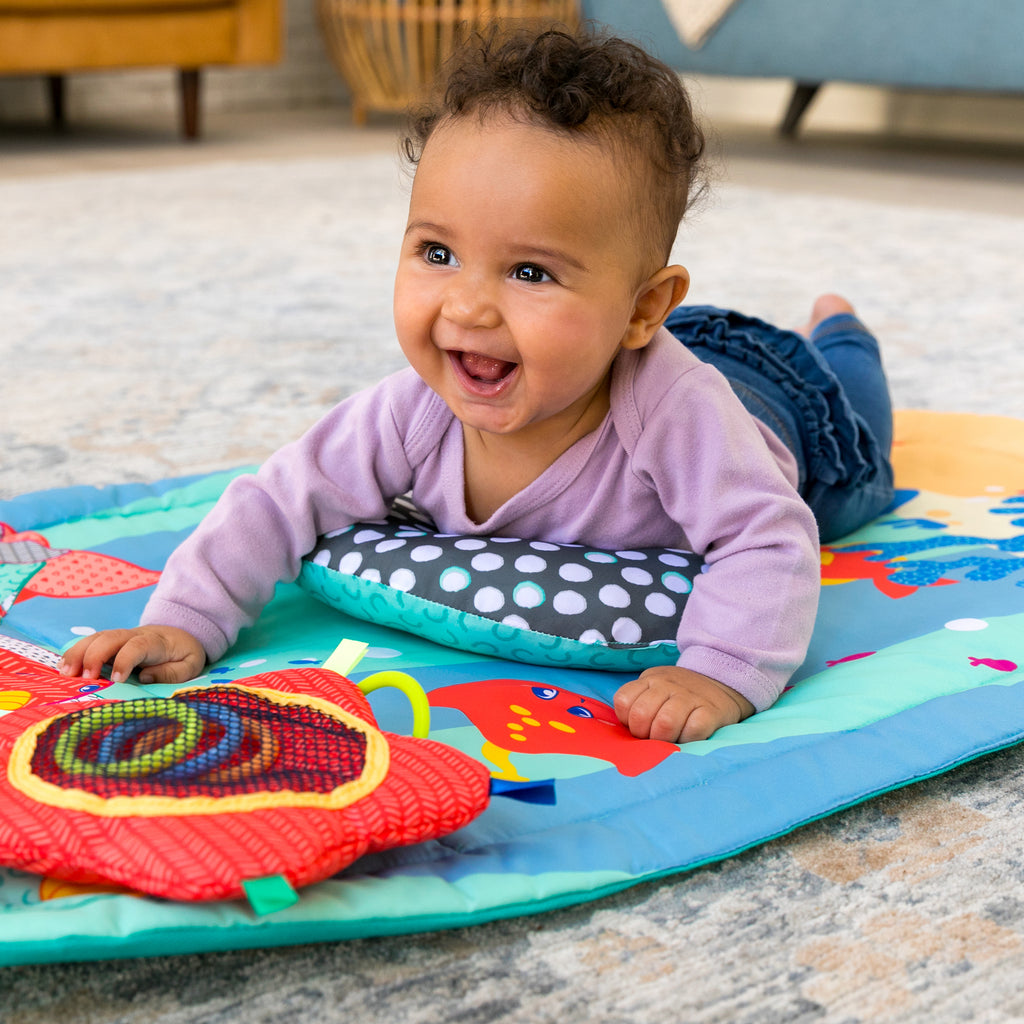


Tummy time strengthens neck and shoulder muscles.
Start with short sessions:
- 1–2 minutes several times a day
- Gradually increase duration
Always supervise tummy time.
Age-Appropriate Play
Play is learning.
For newborns:
- High-contrast toys
- Soft music
- Gentle rattles
For older infants:
- Stacking cups
- Textured toys
- Peekaboo games
Learning through play promotes brain development and curiosity.
Creating a Baby Care Routine
Babies thrive on predictability.
A flexible routine helps regulate:
- Sleep
- Feeding
- Mood
- Parental stress
Sample Daily Rhythm
Morning:
- Feeding
- Diaper change
- Playtime
- Nap
Afternoon:
- Feeding
- Outdoor walk (weather permitting)
- Tummy time
- Nap
Evening:
- Feeding
- Calm activity
- Bath (optional)
- Bedtime routine
Consistency builds emotional security.
You can explore detailed daily schedule templates in our organization and routine category on momknowsever.com.
Baby Safety at Home
Infant safety is one of the top parenting concerns.
Baby-Proofing Basics
As mobility increases:
- Cover electrical outlets
- Secure furniture to walls
- Install safety gates
- Keep small objects out of reach
Even before crawling begins, preparation is essential.
Car Seat Safety
Always:
- Use a rear-facing car seat
- Follow manufacturer weight guidelines
- Ensure proper installation
Car safety should never be compromised.
Safe Handling
Support baby’s head and neck.
Never shake a baby.
Avoid placing infants on elevated surfaces unattended.
Simple precautions prevent serious injuries.
Recognizing Signs of Illness
While this guide focuses on daily baby care (not medical diagnosis), parents should monitor for:
- Persistent fever
- Difficulty breathing
- Dehydration signs
- Unusual lethargy
- Rash with fever
If concerned, consult a pediatric professional promptly.
Trust your instincts — you know your baby best.
Supporting Mother’s Health and Well-Being
Baby care and maternal well-being are deeply connected.
A well-supported mother provides better care.
Prioritize:
- Rest when possible
- Balanced meals
- Emotional support
- Honest conversations about mental health
Postpartum recovery takes time.
You may also find encouragement and self-care guidance in our Mother’s Health and Well-Being section on momknowsever.com.
Parenting is not meant to be done alone.
Managing Overwhelm and Building Confidence
Every parent experiences moments of doubt.
Common thoughts:
- “Am I doing enough?”
- “Why is my baby crying?”
- “Is this normal?”
Confidence grows through:
- Education
- Support
- Experience
- Grace toward yourself
There is no perfect parent — only present parents.
Frequently Asked Questions About Baby Care
How often should I feed my newborn?
Newborns typically feed every 2–3 hours, but follow hunger cues.
When will my baby sleep through the night?
Sleep patterns vary widely. Some babies begin longer stretches around 3–6 months.
How do I know if my baby is developing normally?
Track milestones but avoid comparisons. If concerns arise, consult your pediatric provider.
Is it okay to hold my baby often?
Yes. Physical closeness builds secure attachment and emotional health.
Building a Foundation for Lifelong Well-Being
The first year of life lays the groundwork for emotional stability, cognitive growth, and physical health.
Baby care is not just about feeding and sleep — it is about building trust.
Every diaper change.
Every lullaby.
Every cuddle.
These moments shape your child’s future.
By focusing on safe sleep, proper nutrition, consistent routines, emotional bonding, developmental stimulation, and maternal well-being, you create a nurturing environment where your baby can truly thrive.
Parenthood is a journey filled with learning, growth, and deep love.
And remember: progress matters more than perfection.
You are doing important work — and your baby feels that love every single day.
Continue exploring our baby care, development, and family life resources on momknowsever.com for more guidance and supportive parenting strategies.
Your journey in motherhood is unique. And you are capable.
(Next, I will continue with Article 2: “How to Build a Child Development Routine: From Milestones to Play-Based Learning,” following the same structure, word count, SEO optimization, internal linking strategy, and image placement.)