
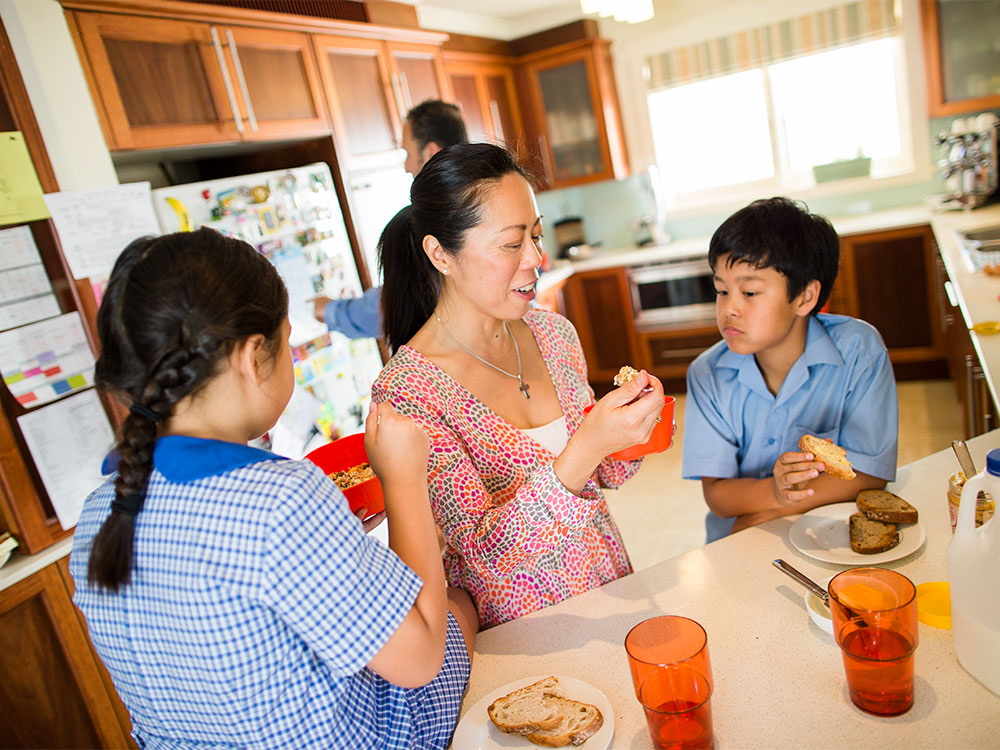

Family life can feel beautiful and chaotic at the same time. Between school schedules, work responsibilities, meal planning, cleaning, appointments, and emotional needs, many parents feel like they are constantly trying to “catch up.”
The good news is this: most family stress does not come from having too much to do. It comes from a lack of structure.
Creating practical family routines can transform daily chaos into calm productivity. When systems are in place, parents feel more confident, children feel more secure, and the home becomes a place of balance instead of overwhelm.
In this comprehensive guide, you’ll learn how to organize your family life using realistic routines that work long term — not just for a week.
For additional structure tips, you may also explore our organization tips for moms section on momknowsever.com, where we break down planning systems in detail.
Why Family Routines Matter More Than You Think
A well-structured family routine supports:
- Emotional stability for children
- Reduced parental stress
- Better time management
- Improved sleep patterns
- Stronger family connection
Children thrive in predictable environments. When they know what to expect, they cooperate more easily.
Parents benefit too. Decision fatigue decreases when daily habits become automatic.
Consistency builds confidence.
Step 1: Establish a Calm and Predictable Morning Routine
Mornings often set the tone for the entire day.
If mornings feel rushed, stressful, or chaotic, small adjustments can make a big difference.
Create a Simple Wake-Up Sequence
A structured morning routine might include:
- Wake up at consistent time
- Bathroom and hygiene
- Getting dressed
- Breakfast
- Packing bags
- Short connection moment before leaving
Visual schedules can help younger children follow steps independently.
Prepare the Night Before
Evening preparation reduces morning pressure:
- Lay out clothes
- Pack school bags
- Prepare lunch boxes
- Review next day’s schedule
For more detailed planning strategies, visit our daily family schedule guide on momknowsever.com.
Preparation reduces stress significantly.
Step 2: Build a Functional Weekly Family Schedule
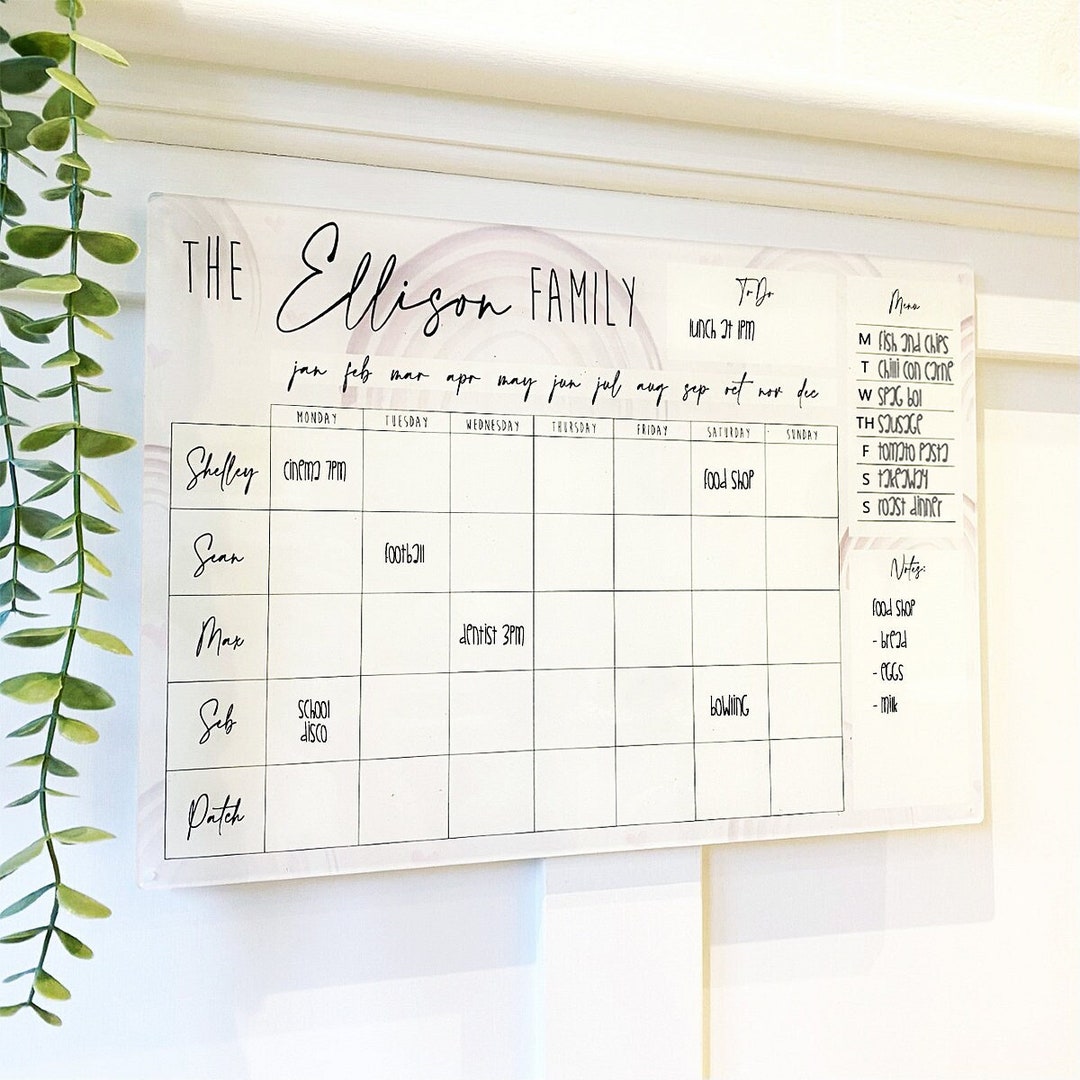
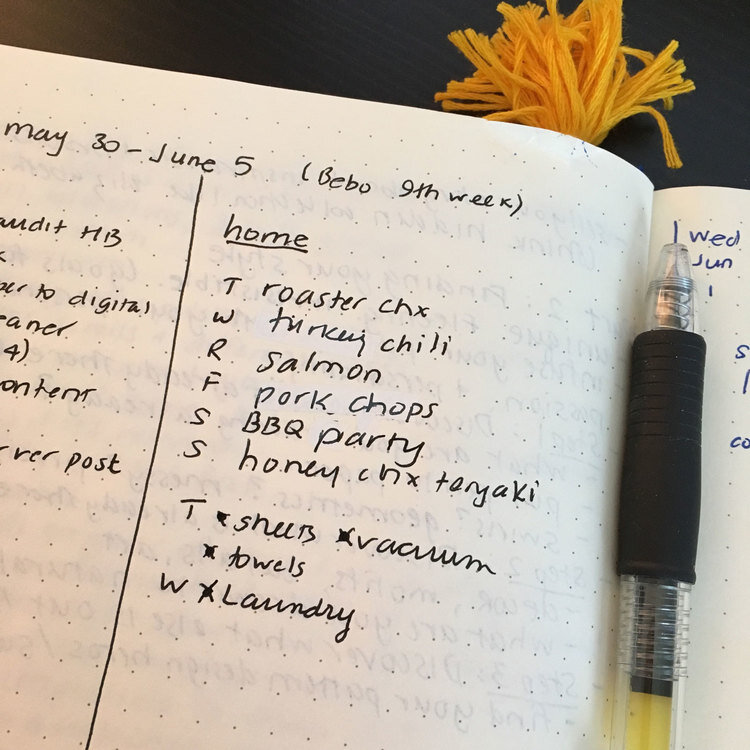
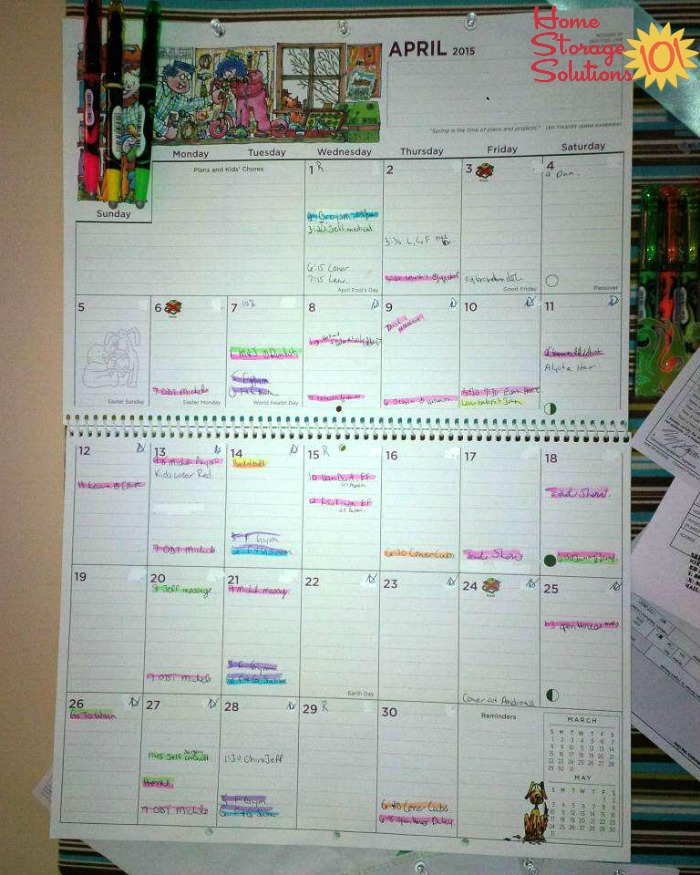
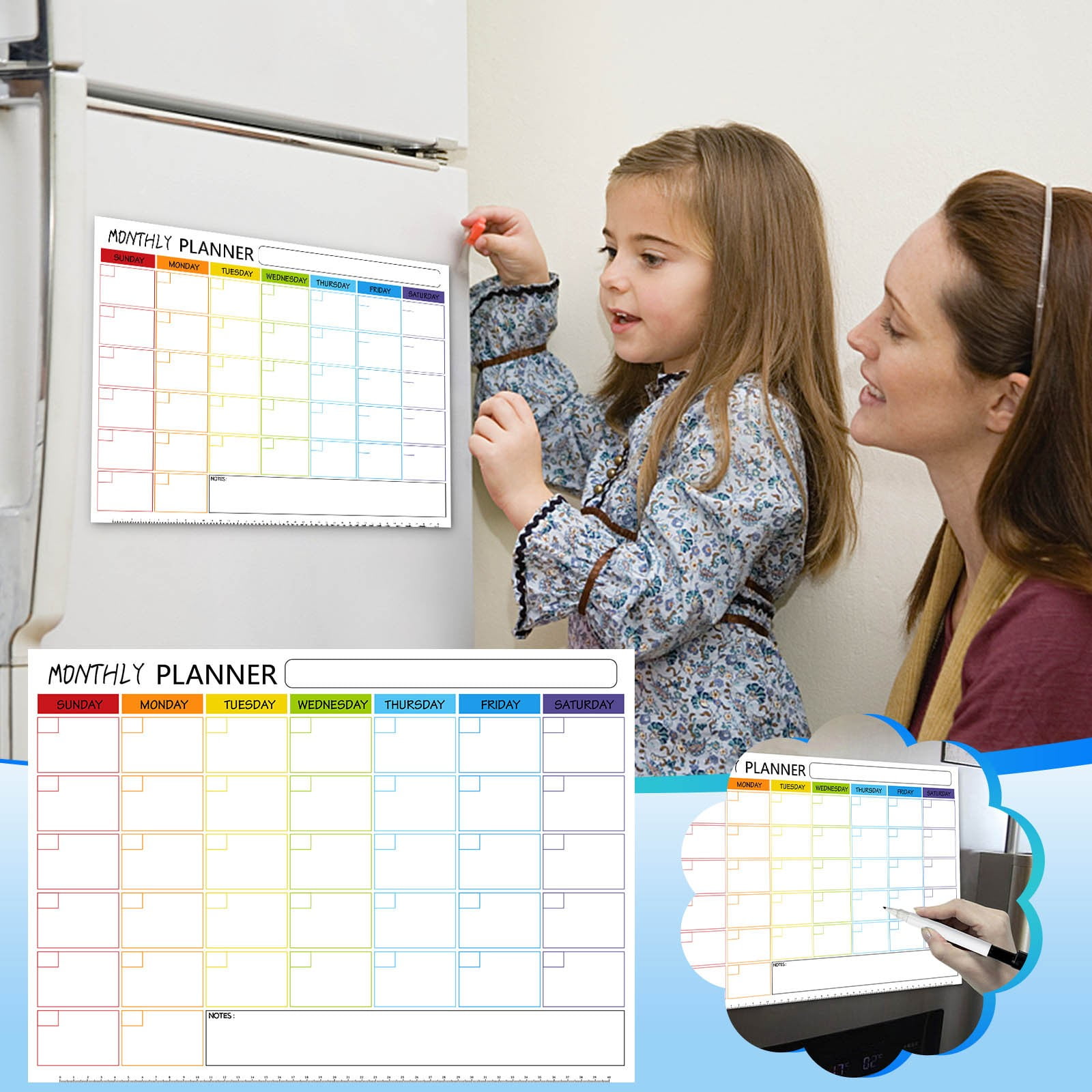
One of the most effective organization strategies is creating a visible weekly plan.
Use:
- Wall calendar
- Planner notebook
- Digital calendar
- Family command center board
Include:
- School events
- Work schedules
- Appointments
- Extracurricular activities
- Meal plan overview
When everyone knows what’s happening, misunderstandings decrease.
Weekly planning also helps reduce last-minute stress.
Step 3: Simplify Meal Planning for Busy Families
Meal planning is one of the most searched topics among parents.
Without a plan, dinner becomes a daily decision that drains energy.
Benefits of Meal Planning
- Saves money
- Reduces food waste
- Encourages healthier eating
- Eliminates daily stress
Simple Weekly Meal Strategy
Choose:
- 2 easy meals
- 2 family favorites
- 1 new recipe
- 1 leftover night
- 1 simple backup option
Involve children when possible. Participation increases cooperation.
You can explore more structured guidance in our meal planning for busy families section on momknowsever.com.
Small planning habits create major long-term relief.
Step 4: Create Afternoon and Evening Flow
Evenings are often when parents feel most overwhelmed.
A consistent after-school routine might include:
- Snack time
- Homework period
- Outdoor play or free play
- Family dinner
- Wind-down activities
- Bedtime routine
Protect Family Dinner Time
Family dinners strengthen:
- Communication skills
- Emotional connection
- Language development
- Family identity
Even if dinner lasts 20 minutes, the emotional impact is significant.
Step 5: Design a Peaceful Bedtime Routine

Bedtime routines improve sleep quality for both children and parents.
A calming bedtime flow might include:
- Bath or hygiene
- Pajamas
- Reading together
- Short conversation
- Lights out at consistent time
Consistency is key.
If sleep struggles are ongoing, review our baby and child sleep resources on momknowsever.com for additional guidance.
Good sleep improves mood, learning, and behavior.
Step 6: Organize Household Responsibilities
Family organization works best when everyone contributes.
Age-appropriate responsibilities teach:
- Independence
- Accountability
- Life skills
Young children can:
- Put toys away
- Place dishes in sink
- Help fold towels
Older children can:
- Pack lunches
- Tidy bedrooms
- Assist with meal prep
Shared responsibility builds teamwork.
Step 7: Reduce Clutter to Reduce Stress
Clutter increases mental overload.
Simple decluttering strategies:
- One drawer at a time
- Donate unused items monthly
- Rotate toys instead of keeping all visible
- Limit unnecessary purchases
Organized spaces improve emotional calm.
Minimalism does not mean empty — it means intentional.
Step 8: Time Management for Moms and Parents
Parents often neglect their own schedules.
To avoid burnout:
- Block time for self-care
- Set realistic daily goals
- Avoid overscheduling children
- Learn to say no when necessary
Overcommitment creates chronic stress.
Balanced planning creates sustainability.
Our mother’s health and well-being section on momknowsever.com provides additional support strategies for managing stress and maintaining energy.
A regulated parent leads a regulated home.
Step 9: Handling Unexpected Disruptions
No routine is perfect.
Sick days, schedule changes, emotional meltdowns — they happen.
The goal is not rigid control but flexible structure.
When disruptions occur:
- Maintain core anchors (meals, bedtime)
- Adjust expectations
- Communicate calmly
Structure provides security even when plans shift.
Step 10: Strengthening Relationship and Family Connection
Organization should not feel robotic. It should create space for connection.
Schedule intentional family moments:
- Weekly movie night
- Sunday family walk
- Shared breakfast tradition
- Gratitude reflection at dinner
These small rituals build lifelong memories.
Family life is not about perfection. It is about presence.
Common Mistakes in Family Organization
Avoid these common traps:
- Creating overly complicated systems
- Changing routines too frequently
- Expecting immediate compliance
- Trying to implement everything at once
Start small. Build gradually.
Sustainable habits matter more than dramatic changes.
How Long Does It Take to Build a New Routine?
Most families adjust within 2–4 weeks.
Consistency builds habit memory.
Children adapt faster when routines are:
- Clearly explained
- Visually supported
- Reinforced gently
Patience is essential.
Frequently Asked Questions About Family Routines
What if my child resists structure?
Resistance is normal. Stay consistent while allowing flexibility.
How do I balance work and family routines?
Time blocking and preparation the night before significantly help.
Is it okay to change routines seasonally?
Yes. School schedules, holidays, and growth stages require adjustments.
What if I feel overwhelmed even with a plan?
Simplify. Remove unnecessary commitments. Focus on core priorities.
Creating a Home That Feels Calm and Connected
Organizing your family life is not about controlling every moment.
It is about building rhythms that reduce chaos and increase connection.
When mornings flow calmly, evenings feel peaceful, and responsibilities are shared, the entire family benefits.
Children feel safe.
Parents feel capable.
Relationships strengthen.
Small daily habits — repeated consistently — create powerful transformation over time.
Family organization is not about perfection. It is about intention.
Continue exploring practical family life strategies on momknowsever.com to build a home environment that supports growth, connection, and long-term well-being.
You are not just managing a household.
You are building a foundation for your family’s future.