


Every parent wants to give their child the best possible start in life. One of the most powerful ways to support healthy growth is by creating a structured yet flexible child development routine that aligns with developmental milestones and encourages learning through play.
In early childhood, routines provide security. Play builds intelligence. Connection shapes emotional resilience. When these elements work together, children thrive cognitively, socially, and emotionally.
If you are navigating toddler milestones, preschool readiness, or simply wondering how to organize your child’s day more intentionally, this comprehensive guide will help you build a sustainable development-focused routine that supports long-term success.
For foundational insights, you may also explore our child development milestones guide on momknowsever.com, which complements this structured routine approach.
Why Routine Is Essential for Child Development
Children flourish in predictable environments. A development routine does not mean rigidity. Instead, it creates:
- Emotional security
- Better behavior regulation
- Improved sleep patterns
- Enhanced learning capacity
- Reduced parental stress
When children know what to expect, their brains are free to focus on exploration and learning rather than uncertainty.
Research in early childhood education consistently highlights the importance of structured daily rhythms combined with open-ended play.
If you’re building broader family structure, our daily family schedule guide on momknowsever.com can help integrate developmental activities into everyday life.
Understanding Developmental Milestones
Before designing a routine, it’s important to understand child development stages.
Development generally progresses across five main domains:
- Cognitive development
- Language development
- Motor skills (gross and fine)
- Social skills
- Emotional regulation
Each child develops at their own pace. Milestones are guidelines — not strict deadlines.
Infant Stage (0–12 Months)
Focus areas:
- Sensory exploration
- Tummy time
- Babbling
- Object tracking
Activities:
- High-contrast books
- Gentle music
- Soft textures
- Mirror play
Toddler Stage (1–3 Years)
Focus areas:
- Walking and coordination
- First words and short sentences
- Independence
- Emotional expression
Activities:
- Stacking blocks
- Simple puzzles
- Pretend play
- Naming objects
Preschool Stage (3–5 Years)
Focus areas:
- Problem-solving
- Early literacy
- Social interaction
- Emotional control
Activities:
- Storytime
- Drawing
- Cooperative games
- Counting activities
For a deeper breakdown of developmental expectations, visit our toddler learning activities section on momknowsever.com.
Designing a Development-Focused Daily Routine
An effective child development routine balances:
- Structured activities
- Independent play
- Physical movement
- Rest
- Family connection
Sample Development Routine for Toddlers
Morning
- Wake up and hygiene routine
- Breakfast conversation (language development)
- Outdoor play (gross motor skills)
Mid-Morning
- Educational play (puzzles, stacking, shape sorting)
- Storytime (literacy development)
Afternoon
- Nap or quiet time
- Sensory activity (water play, play dough)
Evening
- Family dinner discussion
- Calm play
- Bedtime reading routine
Consistency is more important than perfection.
If organization feels overwhelming, our organization tips for moms page on momknowsever.com provides strategies to simplify daily planning.
The Power of Learning Through Play
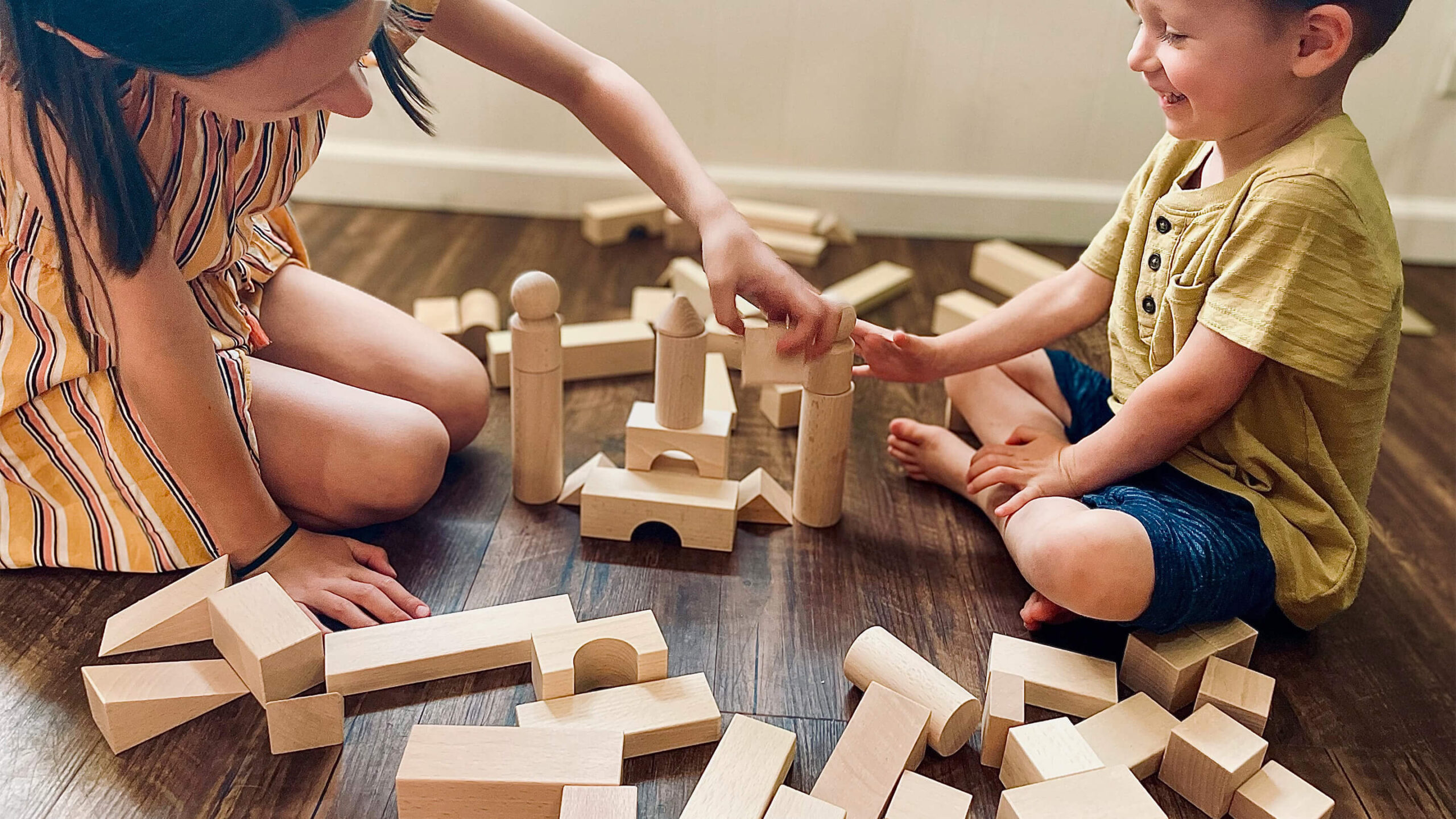
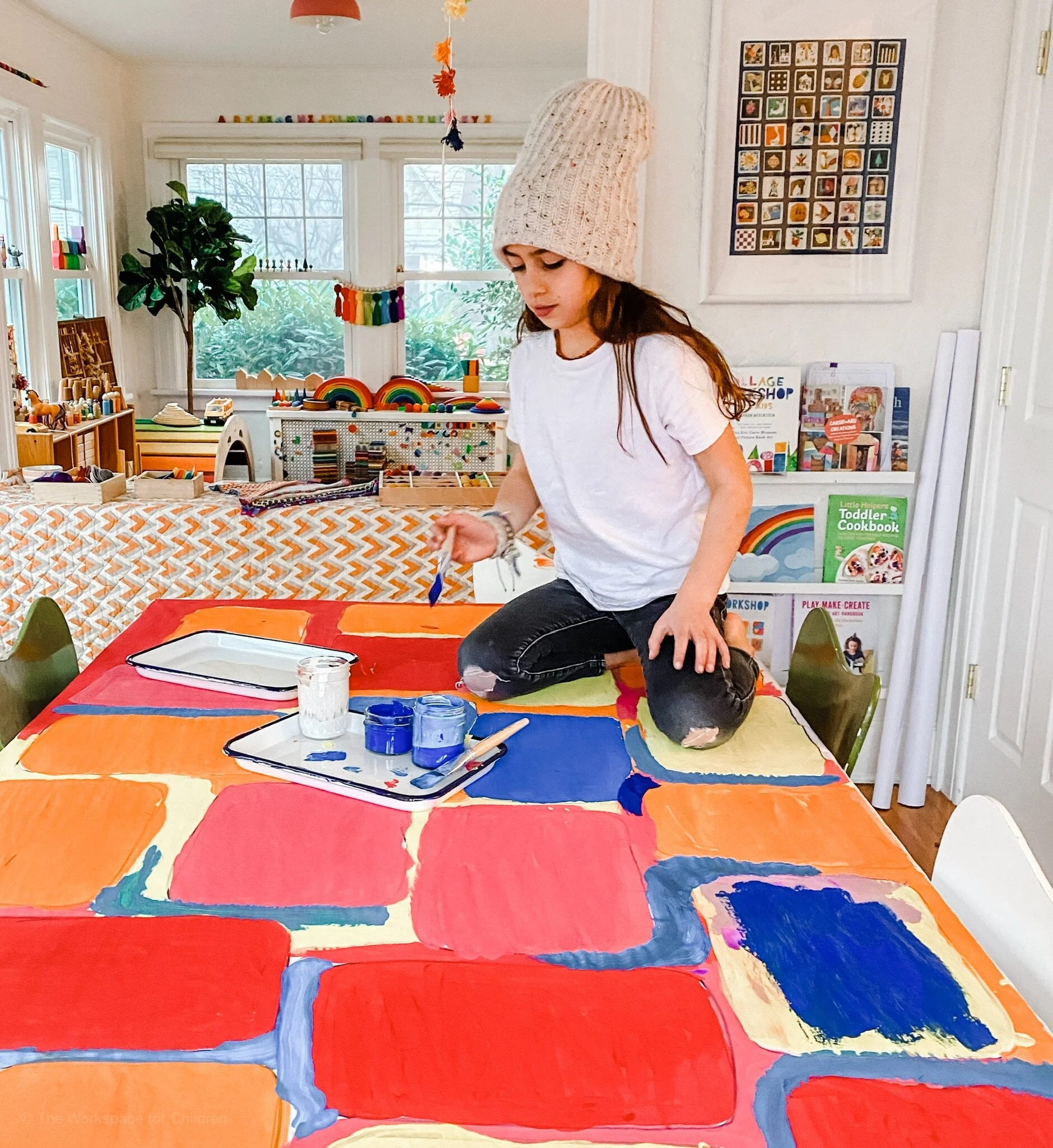
One of the most searched parenting phrases today is learning through play. And for good reason.
Play supports:
- Brain development
- Creativity
- Language growth
- Emotional intelligence
- Problem-solving skills
Children do not need expensive toys to learn effectively. Simple, open-ended materials are often best.
Open-Ended Toys That Encourage Development
- Wooden blocks
- Pretend kitchen sets
- Dolls and figurines
- Art supplies
- Books
If you’re choosing toys intentionally, our educational toys for kids guide on momknowsever.com can help you select developmentally appropriate options.
Supporting Cognitive Development at Home
Cognitive growth includes thinking, remembering, and understanding.
Ways to encourage it:
- Ask open-ended questions
- Introduce sorting and matching games
- Encourage imaginative storytelling
- Explore cause-and-effect toys
Avoid overstimulation. Children benefit from focused, calm engagement rather than constant noise or screen exposure.
Building Language Skills Naturally
Language development happens best through conversation.
Tips:
- Narrate daily activities
- Expand on your child’s words
- Read daily
- Sing songs together
For example, if your child says “dog,” you can respond, “Yes, that is a big brown dog running fast.”
This builds vocabulary organically.
Encouraging Emotional Intelligence
Emotional development is as important as academic learning.
Teach children to:
- Name their feelings
- Express frustration safely
- Practice empathy
- Solve small conflicts
When a child has a tantrum, respond calmly. Help them label emotions rather than dismissing them.
This strengthens long-term emotional resilience.
Creating a Screen-Time Balance
Modern parenting includes digital exposure, but balance is key.
Best practices:
- Avoid screen time under 18 months (except video calls)
- Limit daily exposure
- Co-view and discuss content
- Prioritize real-world play
Face-to-face interaction remains the most powerful developmental tool.
Incorporating Outdoor Play


Outdoor play enhances:
- Motor coordination
- Vitamin D exposure
- Sensory exploration
- Emotional regulation
Even short daily outdoor time improves sleep and behavior.
Nature is one of the most powerful learning environments.
Supporting School Readiness
Parents often worry about preparing children for preschool or kindergarten.
School readiness is not about early academics alone. It includes:
- Listening skills
- Following directions
- Social interaction
- Emotional regulation
- Basic independence (washing hands, dressing)
Simple household responsibilities like putting toys away build independence and executive functioning skills.
Adjusting the Routine as Your Child Grows
Development routines must evolve.
Infants need shorter activities and more sleep.
Toddlers need movement and repetition.
Preschoolers need challenges and social interaction.
Review your routine every few months.
Ask:
- Is my child engaged?
- Are transitions smooth?
- Is there enough balance?
Flexibility ensures sustainability.
Common Parenting Mistakes to Avoid
Even with good intentions, some habits can hinder development:
- Overscheduling
- Excessive screen time
- Comparing children
- Ignoring rest needs
- Pressuring early academics
Children thrive when encouraged, not rushed.
Supporting Parents in the Process
A structured development routine benefits parents too.
It reduces:
- Daily chaos
- Decision fatigue
- Behavioral battles
- Stress
When children know what comes next, cooperation improves.
You may also find support in our mother’s well-being section on momknowsever.com, because a regulated parent raises a more regulated child.
Frequently Asked Questions About Child Development Routines
How long should structured activities last?
For toddlers, 10–20 minutes is often ideal. Preschoolers can engage longer depending on interest.
Is it okay if my child resists routines?
Yes. Transitions can be challenging. Visual schedules and consistent cues help.
How do I know if my child is falling behind?
Development varies. If concerns persist across multiple domains, consult a pediatric professional.
What if I work full-time?
Even short, intentional daily moments make a difference. Quality outweighs quantity.
Raising Curious, Confident Learners

Child development is not a race. It is a journey of discovery.
By combining predictable routines, meaningful play, emotional support, and age-appropriate learning opportunities, you create a foundation that supports academic success, social skills, and lifelong resilience.
Children learn best in environments filled with:
- Warmth
- Structure
- Encouragement
- Exploration
- Patience
You do not need to be a perfect teacher. You need to be a present guide.
Your daily consistency shapes your child’s future more than any single activity ever could.
Continue exploring our education and family life resources on momknowsever.com for more practical parenting strategies that nurture growth at every stage.